You sit at your desk while the morning sun creeps across a pile of unopened mail and tangled charging cables. Your brain feels like a browser with fifty tabs open; each one is screaming for your attention. Even though your to-do list is miles long, you find yourself staring at a flickering cursor for twenty minutes.
It’s a common struggle in 2026 because we’ve been taught to manage our time instead of our energy. You aren’t lazy or incapable of focus. Instead, you’re likely fighting against a modern world designed to keep you distracted.
By shifting your strategy from rigid schedules to natural rhythms, you can reclaim your peace of mind. Let’s look at how to use smart boundaries and simple habits to make your best work feel effortless.

Match Your Hardest Tasks to Your Peak Energy Levels
Most people treat every hour of the workday as if it has the same value. They assume they should be just as productive at 9:00 AM as they are at 4:00 PM. However, your body follows internal seasons or zones of energy that dictate your cognitive strength. Because your biological clock influences your focus; trying to force deep work during an energy slump is like trying to swim upstream.
When you ignore these natural fluctuations, you end up feeling frustrated and burnt out. You might spend two hours on a task in the afternoon that would have taken twenty minutes in the morning. By identifying your “Energy Seasons,” you can stop fighting your biology. Instead of pushing through the fatigue, you can align your schedule with your body’s natural highs and lows.
This approach moves away from the old idea of checking off as many boxes as possible. It focuses on the quality of your output. When you work with your energy, you finish tasks faster and with fewer errors. More importantly, you end the day feeling accomplished rather than drained.
Win Your Morning with Green Zone Focus
The first three hours of your day represent the Green Zone, which is your most valuable cognitive real estate. This is when your creative brain power is at its peak and your willpower is fresh. Because this time is so limited, you must guard it fiercely from minor interruptions.
Many people waste this window by checking their email or scrolling through social media feeds. Those activities drain your decision-making reserves before you even start your real work. Instead, use this time to tackle the one project that feels the heaviest or most important.
If you start your day by finishing a difficult report, the rest of your afternoon feels lighter. You aren’t carrying the mental weight of all those “should-dos” while you eat lunch. Think of the Green Zone as a high-speed lane; use it for your most complex thinking before the noise of the day slows you down.
Save Low Energy Tasks for the Red Zone Slump
We have all felt the late afternoon crash where the brain seems to turn into cotton candy. This is the Red Zone, a period where complex problem-solving feels nearly impossible. Instead of fighting it with more caffeine, accept that your high-power focus has left the building for the day.
This is the perfect time for low-effort activities that still need to get done. You can use this window for filing digital photos, organizing your desktop, or clearing out simple administrative emails. Doing these “easy” things keeps you productive without causing a total burnout.
By leaning into this slump, you give your brain a chance to recover. You’re still moving the needle, but you’re doing it in a way that respects your physical limits. When you stop expecting perfection during your tired hours, you actually get more done over the long term.
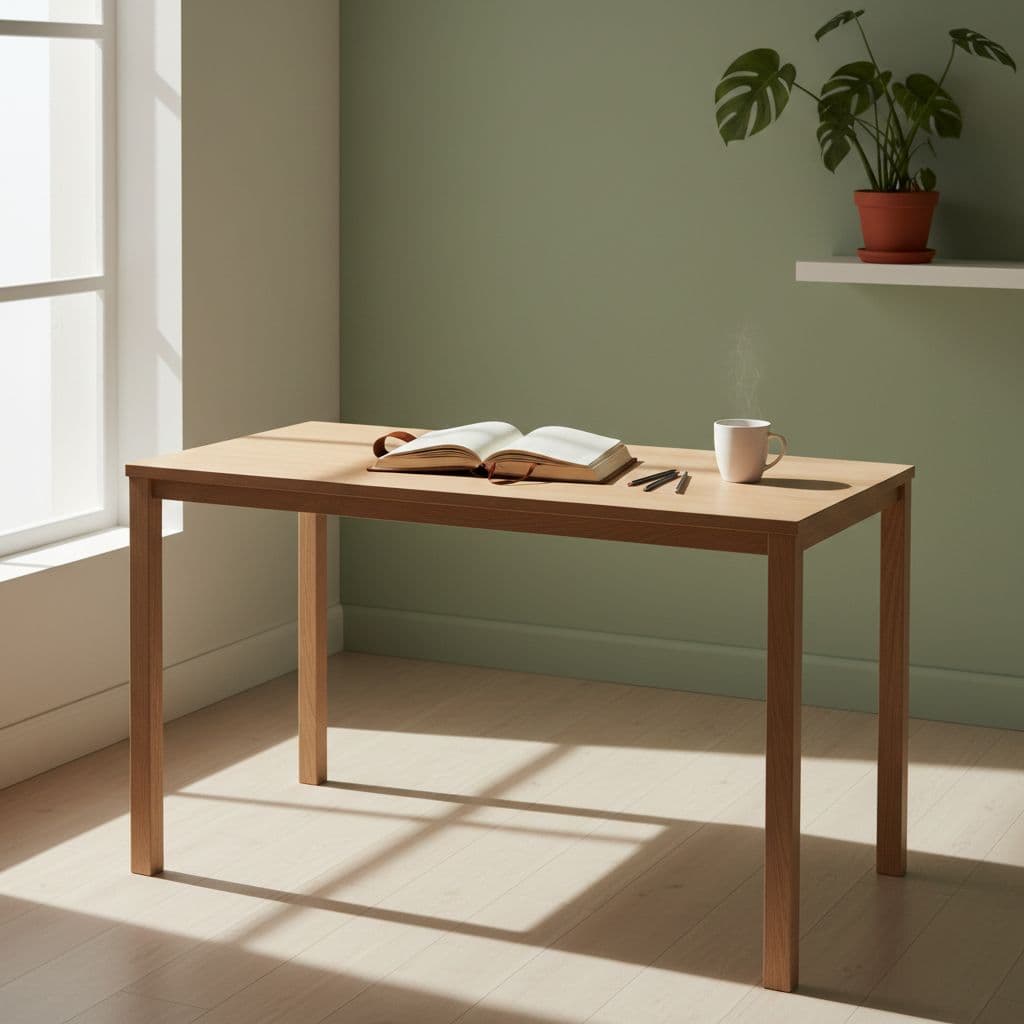
Design a Physical Space That Commands Focus
Your environment tells your brain exactly how to behave. If your desk is covered in snacks and game controllers, your mind will constantly wander toward leisure. Willpower is a limited resource that gets used up every time you resist a temptation. Therefore, it’s much more effective to remove the distractions entirely than to try and ignore them all day.
Creating a dedicated workspace acts as a physical trigger for your “work mode.” When you enter that space, your brain recognizes the cues and begins to settle into a focused state. It doesn’t need to be a massive home office; even a specific corner of a table can work.
The goal is to reduce the friction between you and your work. Every time you have to move a pile of laundry or find a pen, you lose a bit of focus. By designing a space that serves your goals, you make it much easier to stay on track.
Lock Away Distractions with the Phone Jail Ritual
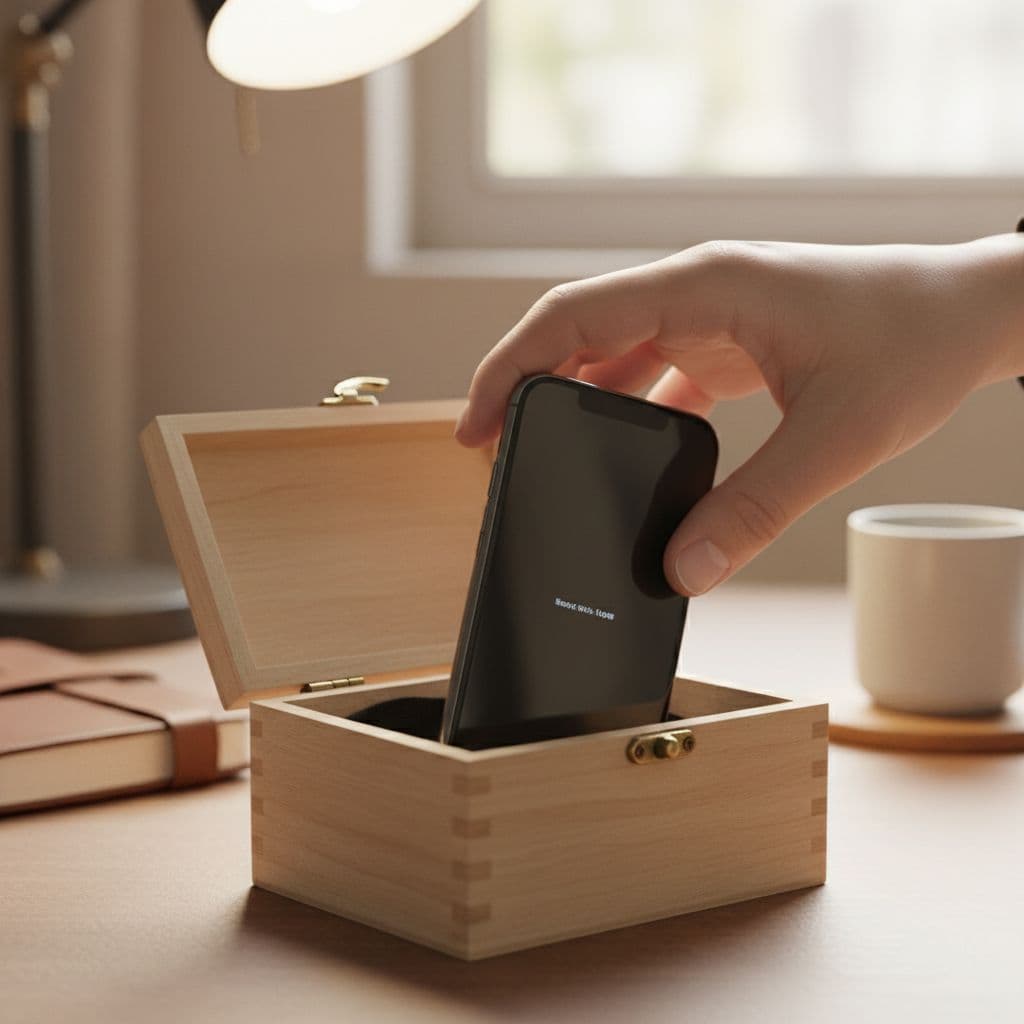
The smartphone is a marvel of technology, but it’s also a direct line to every distraction on the planet. Even having it face-down on your desk can lower your cognitive capacity. Your brain is subconsciously waiting for the next hit of dopamine from a notification.
To solve this, many people are now using a “phone jail” ritual. This involves putting your device in a timed lockbox or moving it to a completely different room during work hours. When the phone is out of sight, the urge to check it slowly fades away.
You might feel a bit of anxiety at first, but that soon turns into a deep sense of relief. Without the constant pings and buzzes, you can finally hear your own thoughts. This physical boundary is one of the fastest ways to double your productive output.
Work Better Together Using Virtual Body Doubling
Remote work can be incredibly lonely, and that isolation often leads to a lack of motivation. When no one is watching, it’s easy to spend an hour watching videos instead of working on a project. This is where the concept of virtual body doubling becomes a game-changer.
This involves joining a video call with a colleague or a friend where you both work in silence. You aren’t there to chat; you’re there to provide a sense of mutual accountability. The simple social pressure of not wanting to look distracted in front of someone else keeps you in your seat.
Many people find that they can work for ninety minutes straight when someone else is “in the room.” It provides the structure of a traditional office without the commute or the constant interruptions. If you struggle with self-discipline, this small shift can provide the external structure you need to succeed.
Use AI and Daily Resets to Stay on Track
In 2026, technology shouldn’t just be a source of distraction. It should act as a partner that helps you manage the mental load of a busy life. Using AI prompts and daily rituals can help you maintain momentum throughout the week. These tools allow you to focus on the human side of work, like creativity and strategy.
The key is to use technology as a coach rather than a crutch. You want it to help you get started, not do all the thinking for you. When you combine high-tech assistants with low-tech habits, you create a system that is both efficient and sustainable.
Daily resets are equally important because they prevent “mental residue” from sticking to you overnight. If you don’t clear your head before you leave your desk, you will likely dream about your to-do list. A simple routine can help you shut down and truly relax.
Jumpstart Your Brain with AI Assisted Sprints
Getting started is often the hardest part of any task. A blank page can feel incredibly intimidating, leading to hours of procrastination. To beat this, you can use AI to help you break big, scary goals into three tiny, manageable steps.
Instead of asking the AI to write the whole project, ask it to help you outline the first ten minutes. This removes the friction of “not knowing where to start.” Once you have those first few steps, your brain can easily take over and find its flow.
These assisted sprints act like a warm-up for an athlete. They get your mental gears turning without requiring a massive amount of initial effort. Once you are in the zone, you can turn off the tools and let your own expertise shine through.
End the Day with a Ten Minute Clear Out
How you end your day determines how you will start the next one. If you leave your desk messy and your computer full of open tabs, you’ll start tomorrow in a state of chaos. A ten-minute clear out is a ritual that signals to your brain that work is over.
First, identify the single most important task for tomorrow. Second, close every single tab and application on your computer. Finally, tidy your physical desk by putting pens away and clearing off any trash.
This simple routine allows your brain to fully disconnect so you can enjoy your evening. When you sit down the next morning, you’ll find a clean space and a clear directive. It’s a gift to your future self that pays off every single day.
Productivity isn’t about working more hours or becoming a robot. It’s about designing a life where the right thing is also the easiest thing to do. By matching your tasks to your energy and protecting your focus, you can achieve more while feeling less stressed.
You don’t need to try all these methods at once. Pick just one strategy, like the phone jail or the end-of-day reset, and try it tomorrow. You will soon see that small changes in your daily habits lead to massive results over time.
Now is the time to reclaim your schedule and find your focus again. Which one of these methods will you use to win your morning tomorrow? Take that first small step toward a more peaceful and productive work life today.


