A few years ago, AI felt like a side tool. In March 2026, it looks more like a quiet coworker sitting beside millions of workers each day. It helps draft emails, sort notes, summarize research, and handle the kind of admin work that drains time and focus.
That shift matters because people care about practical things, not tech buzz. They want to know if their jobs are safe, whether work will get easier, and if AI can cut busywork without stealing their evenings. The short answer is mixed but hopeful. AI is changing office work fastest, yet human judgment, trust, and people skills matter more, not less.
For people in health, fitness, and wellbeing, that balance is even clearer. Software can speed up planning and tracking, but clients still need care, motivation, and real human support.
How AI is changing the way work gets done every day
AI at work has moved past simple automation. In many jobs, it now helps with research, writing, planning, customer support, scheduling, reporting, and repetitive admin tasks. Gallup data from late 2025 showed about 12% of U.S. workers using AI daily, while 26% used it a few times a week or more. So, use is growing, but it still isn’t even across industries.
That uneven rollout is creating a new workplace gap. Some people know how to ask good questions, review results, and save real time. Others still treat AI like a novelty, or avoid it because they don’t trust it. As a result, the advantage doesn’t just come from access. It comes from knowing how to work with the tool well.
The biggest change is less routine work and more human work
Think of AI like a dishwasher for knowledge work. It doesn’t cook the meal, but it takes over a task people don’t want to spend an hour doing. When AI handles first drafts, meeting summaries, calendar juggling, or data cleanup, workers get more room for problem-solving and conversation.
That doesn’t mean every day becomes creative and exciting. It means less energy gets burned on repeat tasks. A manager can spend more time coaching. A marketer can test more ideas. A trainer can focus on clients instead of writing the same reminder messages again and again.
Why AI often increases collaboration instead of replacing teamwork
There’s a common fear that AI will make work more isolated. In practice, regular users often spend more time sharing, checking, and refining ideas with others. One reason is simple: AI produces a starting point, not a final answer. Teams still need to review what matters, catch mistakes, and decide what fits the goal.

In other words, AI can reduce solo grunt work while raising the need for group judgment. That can be a good thing. Better teamwork, clearer feedback, and faster learning often follow when people use AI as a shared helper, not a private shortcut.
Which jobs are most likely to change first, and which skills are rising
The future of work isn’t a simple story about jobs disappearing overnight. It’s more often a story about tasks shifting inside jobs. Roles with repeatable, screen-based work are changing first, especially junior and mid-level office jobs.
The roles AI can automate faster than others
AI handles predictable knowledge work well. That includes data entry, basic admin tasks, routine reporting, first-pass customer replies, and simple analysis. These jobs still need people, but some of their core tasks now take minutes instead of hours.
That creates pressure in entry-level roles, because those jobs often used to be the training ground. If AI takes over the easy parts, companies need better ways to teach new workers the deeper parts of the job. Without that, the ladder gets harder to climb.
At the same time, hands-on trades and people-centered roles are harder to automate. Electricians, nurses, massage therapists, coaches, and personal trainers work in messy real-life settings. Their jobs rely on movement, trust, context, and care. AI can support them, but it can’t fully stand in for them.
The human skills that are becoming more valuable because of AI
As software gets better at pattern work, employers care more about skills that don’t fit a neat formula. That includes analytical thinking, communication, empathy, creativity, judgment, adaptability, and learning fast.
Those strengths matter because AI has blind spots. It can sound polished while being wrong. It can produce options, but it can’t carry responsibility the way a person can. It also doesn’t read a room, spot a client’s stress, or rebuild trust after a mistake.
For workers, that’s good news. The safest career path isn’t becoming a robot. It’s becoming more human, while also getting more fluent with the tools.
What workers need to stay useful and confident in an AI-driven future
Most people don’t need to learn coding or build models from scratch. They do need to know what AI can help with, where it goes wrong, and how to use it without handing over their brain.
AI literacy is becoming a basic career skill
AI literacy means understanding the basics in plain English. Can the tool summarize? Yes. Can it make things up? Also yes. Can it save time on first drafts? Often. Should it make final calls on hiring, health advice, or legal risk by itself? No.
That’s why good AI use includes reviewing outputs, checking sources, protecting private data, and knowing when a task needs a real expert. A worker who can do that brings more value than someone who either fears AI or trusts it too much.
Simple ways to build future-proof skills starting now
You don’t need a giant career reset. Start small and build range.
- Test AI on low-risk tasks: Try summaries, outlines, email drafts, or brainstorming.
- Learn prompt basics: Clear inputs usually lead to better outputs.
- Practice review skills: Check facts, tone, and missing context.
- Build domain depth: The more you know your field, the better you can judge AI results.
- Sharpen communication: Clear writing and speaking still carry huge weight.
Short courses help, but daily practice helps more. A worker who uses AI thoughtfully for 15 minutes a day may learn faster than someone who waits for a formal training program.
How AI could improve work-life balance, but only when companies use it well
Used well, AI can trim a lot of mental clutter. It can speed up admin, improve scheduling, simplify documentation, and help people get to meaningful work faster. That can lower stress, especially in jobs packed with updates, forms, and follow-up tasks.
Where AI can reduce burnout and free up time
For many workers, burnout comes from friction. Small tasks pile up, attention gets split, and the day fills with digital crumbs. AI can help by pulling those crumbs into one place. A quick meeting recap, a first-pass report, or a smarter calendar can save more energy than people expect.
That matters in wellbeing work too. If a coach spends less time on notes and reminders, they can spend more time on clients, rest, or planning better sessions.
When AI can make work more stressful instead of easier
Still, AI doesn’t fix bad workplace habits. Some 2026 data shows a strange pattern: productivity rises for some teams, but so do email volume, chat overload, and pressure to do more in less time. When leaders treat AI as a reason to pile on extra output, the tool stops feeling helpful.
AI doesn’t improve work-life balance by itself. Good boundaries and good management do.
Poor training, weak rules, and always-on culture turn a time-saver into one more source of stress. The lesson is simple. Better tools help, but healthy work design matters more.
Why ethics, trust, and human oversight will shape the future of work
Speed isn’t the only issue. AI at work also raises questions about fairness, privacy, accuracy, and accountability. If a system makes a bad call, who catches it? If a worker pastes private data into an unapproved tool, who carries the risk?
The real risks employees and employers need to watch
The biggest concerns are bias, false information, data leaks, and security problems. AI can reflect bad training data and push unfair outcomes. It can also produce polished nonsense, which is dangerous when people move too fast to verify it.
Another growing issue is unapproved AI use. Many workers bring their own tools into the workplace because they want help now, not six months from now. That makes sense on a human level, but it can create privacy and compliance problems fast.
What responsible AI use looks like in a healthy workplace
Healthy companies set clear rules. They train people on what tools are allowed, what data is off-limits, and when human review is required. They also stay honest with workers and customers about how AI is used.
The best role for AI is support, not blind decision-making.
That approach builds trust. It also protects the business, because people are more likely to use AI well when the rules are clear and realistic.
What AI means for jobs in health, fitness, and wellbeing
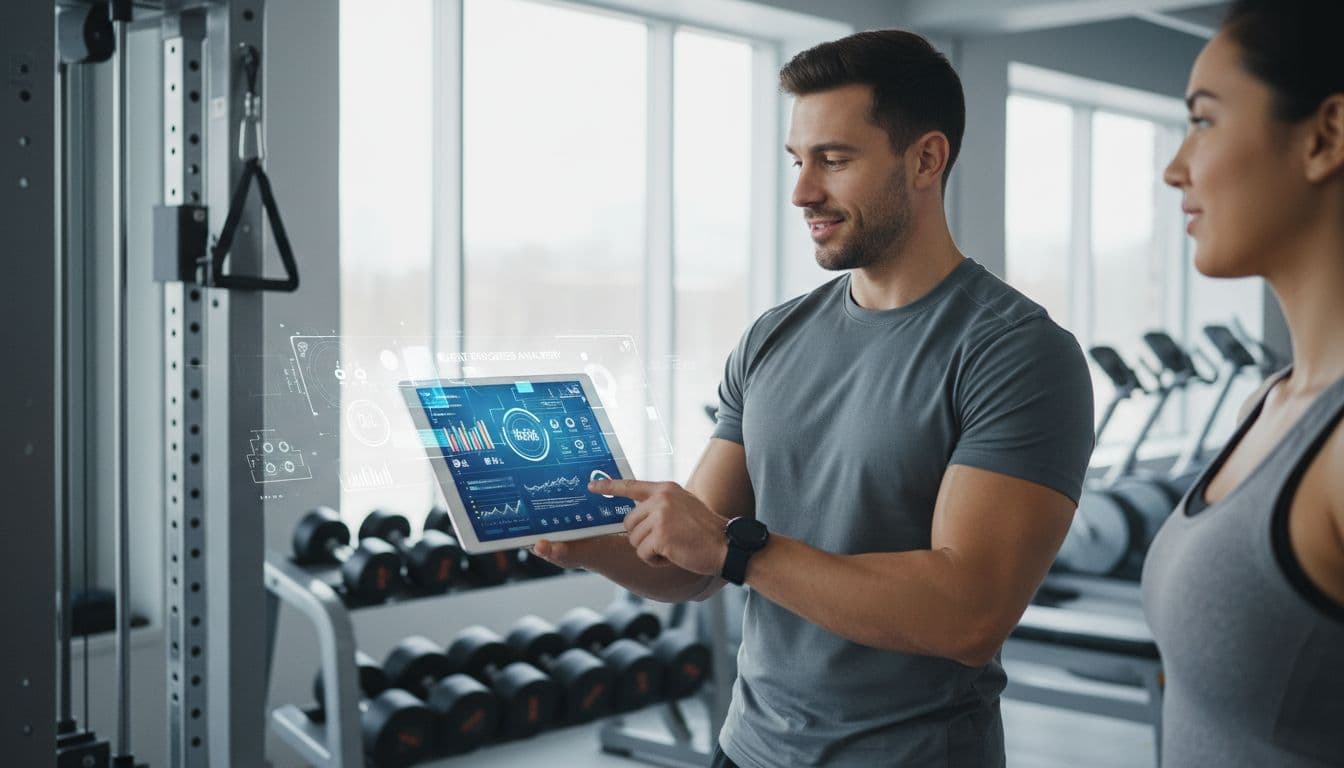
For trainers, coaches, wellness brands, and health-focused teams, AI can already help with scheduling, reminders, progress tracking, content drafts, and plan support. Industry trend reports in 2026 even rank AI among the top shifts shaping fitness and wellness.
The tasks AI can support in wellness-focused careers
A trainer might use AI to draft a weekly workout outline, summarize client progress, or send session reminders. A health coach could use it to organize notes, spot trends in sleep or recovery data, or create a first-pass meal plan idea. Front desk teams can use it for customer questions and booking support.
Still, the professional has to guide the final decision. AI can sort patterns, but it doesn’t know when a client is hiding stress, losing motivation, or pushing too hard after poor sleep.
Why human connection remains the biggest advantage in these fields
Wellness work runs on trust. People stick with a coach, trainer, or practitioner because they feel seen, supported, and understood. No app replaces that. No chatbot can fully match the right pause, the right question, or the right kind of encouragement on a hard day.
As AI handles more routine work, that human edge may grow stronger. The people who combine smart tools with real care will stand out most.
AI is shaping the future of work by changing tasks, skills, and expectations, not by replacing everyone in one sweep. The best move now is simple: learn the tools, build stronger human skills, and use AI in ways that support smarter, healthier work. The future of work will still belong to people who can think clearly, connect well, and use technology with good judgment.


