A big shift is happening in 2026. More entrepreneurs, freelancers, and full-time workers are looking online for flexible ways to earn. They are not all trying to become influencers. Most are looking for something simpler, digital income streams that give them more control, more options, and less dependence on a single paycheck.
In plain terms, digital income streams are earnings that come from online products, services, content, software, subscriptions, or other digital business models. That could mean a paid newsletter, a course, a template shop, consulting, or an AI-supported service. Interest is rising now because life feels more expensive, jobs feel less stable, remote work changed daily habits, and AI tools made online business easier to start. Add one more fact: the creator economy is now worth about $235 billion in 2026, with more than 207 million creators worldwide. Online income no longer feels fringe. It feels possible.
People want more control over how they earn
At the center of this trend is a simple human need: control. People want more say over when they work, how they earn, and what they build. A digital business can offer that in ways many jobs cannot.
For many entrepreneurs, this is not about overnight wealth. It is about building a backup plan. It is about owning an asset instead of renting time forever. A YouTube channel, a small membership, or a product library can keep growing even when a client leaves or a company freezes hiring.

Rising costs and job uncertainty are pushing people to look for extra income
One paycheck feels thin when rent, food, software, and health costs keep climbing. Even solid jobs can feel shaky when layoffs make headlines and teams get cut with little warning. As a result, more people want another source of income they can build on their own terms.
A traditional side business often needs inventory, rent, or staff. Online income usually starts with lower costs. A person can sell a guide, offer a service, or test a small subscription from a laptop at home. That makes the first step feel much less risky.
This matters because most people do not have the cash or time to open a physical business. Digital income streams look more realistic because they let people start small and improve over time.
Remote work made online business feel normal
Remote and hybrid work changed more than office culture. It trained millions of people to use video calls, online docs, payment tools, project boards, and cloud storage every day. Selling online no longer feels foreign when your whole job already runs through a screen.
That comfort matters. When someone already works from home two or three days a week, it feels natural to spend an hour at night on a side project. The gap between “employee” and “online business owner” is smaller than it used to be.
In other words, remote work removed some of the fear. It showed people that work does not need one place, one schedule, or one boss.
Digital business models are easier to start than they used to be
A few years ago, building online income often meant hiring a designer, learning code, or stitching together too many tools. That blocked a lot of people before they started. Today, the path is still not effortless, but it is much simpler.
Payment processors are easy to set up. No-code tools handle websites and forms. Email platforms help people build an audience without a full marketing team. Ecommerce systems make checkout and delivery feel routine. Because of that, more founders can test digital business models without a huge upfront bet.
AI tools help one person do the work of a small team
AI changed the starting line. One person can now draft content, outline a course, edit product copy, summarize research, handle basic customer replies, and mock up design ideas much faster than before.
That does not mean AI builds a business for you. It does not replace good judgment, clear positioning, or customer trust. Still, it can remove hours of repetitive work. For a solo founder, that matters.

A good way to think about AI is this: it is like adding power tools to a workshop. The tools help, but the builder still needs a plan. Entrepreneurs who use AI well save time, test ideas faster, and stay focused on work that moves the business forward.
Platforms now make it simple to sell content, services, and digital products
Selling online is less messy now. Creators can launch a course, paid newsletter, coaching offer, template pack, or community with tools built for small operators. Many platforms handle payment, delivery, and subscriptions in one place.
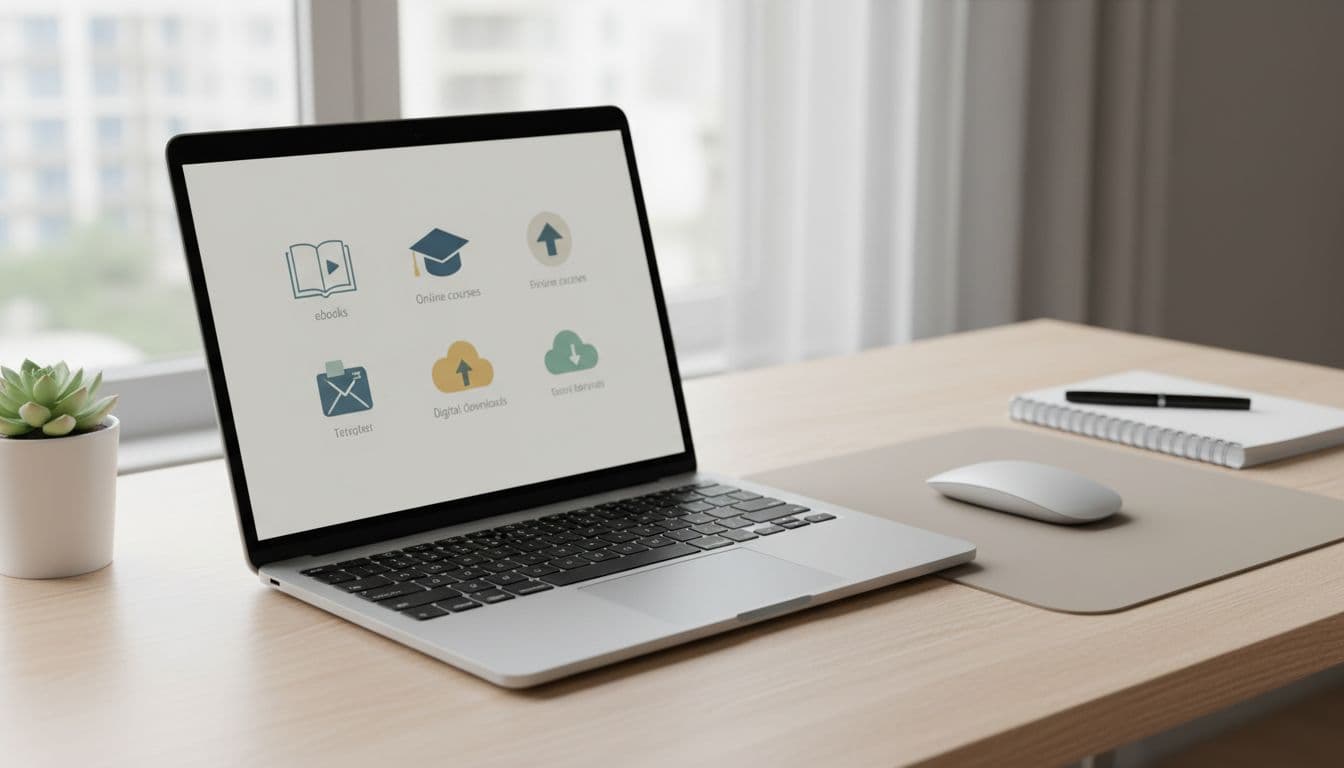
That changes the math. Instead of spending months building infrastructure, an entrepreneur can validate an offer quickly. If people buy, great. If not, the founder can adjust the pitch, audience, or product without losing a fortune.
Speed matters here. The easier it is to launch, the easier it is to learn.
Some digital income streams fit real life better than traditional side hustles
A lot of side hustles still depend on fixed hours, local demand, or physical effort. That works for some people. However, digital income streams often fit better around a full calendar.
This quick comparison shows why online models attract busy founders:
| Factor | Traditional side hustle | Digital income stream |
|---|---|---|
| Schedule | Often fixed shifts or appointments | More flexible, can build anytime |
| Reach | Usually local | Can sell worldwide |
| Growth | Often tied to more hours | Can grow through repeatable offers |
| Startup cost | Can be higher | Often lower at the start |
The main takeaway is simple: online models can bend around real life instead of taking it over.
Many online income streams can start part time and grow over time
This is one of the biggest reasons interest keeps rising. Most people cannot quit their job and hope for the best. They need a low-risk path.
Digital business models support that. A founder can test an offer on weekends, improve it at night, and learn as they go. A simple service can become a productized offer. A newsletter can become a paid subscription. A consulting niche can turn into templates or training.
That slow build is not a weakness. It is often the smarter path because it gives people room to learn without burning cash.
Digital products and subscriptions can earn more than trading time for money
Trading time for money has limits. Once the day is full, income stops growing unless rates go up. Digital products work differently because the same product can sell many times.
A course, template pack, paid community, micro software tool, or research subscription can keep earning after the first sale. That does not make it passive. Someone still has to create, market, and improve it. Yet the model has more upside because each new customer does not always require a full new block of time.
The appeal is not “easy money.” The appeal is building something once, then selling it more than once.
That idea pulls in entrepreneurs who want a business with room to grow.
The most popular digital income streams people are exploring now
Interest is broad, but a few models stand out in 2026. People are drawn to options that mix audience building with a clear offer. Attention alone rarely pays enough. Ownership matters more.
Content, affiliate income, and brand deals are drawing creators in
Content remains the front door for many people. YouTube, TikTok, Instagram, podcasts, and newsletters still attract new creators because they are visible, familiar, and cheap to start.
There is money here, but it is uneven. Current trend data shows sponsored content makes up about 59 percent of creator revenue, while platform payouts account for about 24.4 percent and affiliate income about 8.2 percent. That helps explain why many creators feel pressure to keep posting. If ads or sponsorships are the whole model, income can swing hard.
At the same time, brand budgets are rising fast. Companies are spending more on creator partnerships, which makes content an attractive first step. Still, the people building lasting income usually connect content to something they own, such as a product, service, or community.
Courses, communities, digital products, and AI services are gaining ground
This is where many entrepreneurs see more control. A course teaches a repeatable skill. A paid community creates recurring revenue. Templates, ebooks, and swipe files solve one problem quickly. AI-supported services help businesses save time without hiring a full team.
There is also a clear shift toward smaller, paid communities. More than half of creators started communities in 2024 and 2025, and many kept them intentionally small. That says a lot. You do not need a huge audience. You need the right people and an offer they care about.
For founders, this is good news. A focused product for a clear niche often beats broad content with weak monetization.
What smart entrepreneurs understand before they start
Excitement around digital income streams is real, and the opportunity is real too. Still, strong results usually come from patience, testing, and useful offers. Hype fades fast. Good businesses do not.
The best digital income streams solve a real problem for a clear audience
The internet does not reward random effort for long. It rewards relevance. The strongest offers help a specific group save time, make money, reduce stress, or get a better result.
That means entrepreneurs should start with problems, not platforms. What can you help people do faster, cheaper, or better? What do people already ask you about? Which skill or insight keeps showing up in your work?
When the answer is clear, the offer gets easier to shape. The marketing gets easier too, because the value is obvious.
The goal is not to do everything, it is to build one solid income stream first
A common mistake is trying every platform at once. Someone starts a podcast, opens a store, launches a newsletter, posts on four apps, and burns out by month two.
Focus works better. Pick one audience. Build one offer. Use one main channel to reach people. Then keep the system simple enough to repeat.
A small income stream that works is worth more than five half-finished ideas.
Consistency often wins where excitement fails. The founders who stick with one useful model usually learn faster and earn sooner.
Conclusion
More people are exploring digital income streams because the timing makes sense. Costs are up, job security feels weaker, remote work made online business normal, and better tools lowered the barrier to entry. The opportunity is real, but it is not magic. For entrepreneurs, the best path is still the same: build something useful, keep it focused, and give it time to grow.


